Adopt an Animal
The Busch Wildlife Sanctuary's Adopt-An-Animal Program offers a unique way for supporters to contribute to the care of the Sanctuary's resident animal ambassadors through symbolic adoptions.
This program enables caring individuals to "adopt" an animal through a donation, which directly supports the well-being of the residents housed at the Sanctuary. Participants receive a certificate of adoption and educational materials about their chosen animal, making it a meaningful gift and a chance to help the Sanctuary raise essential funds for animal care, rehabilitation, and conservation efforts.
-
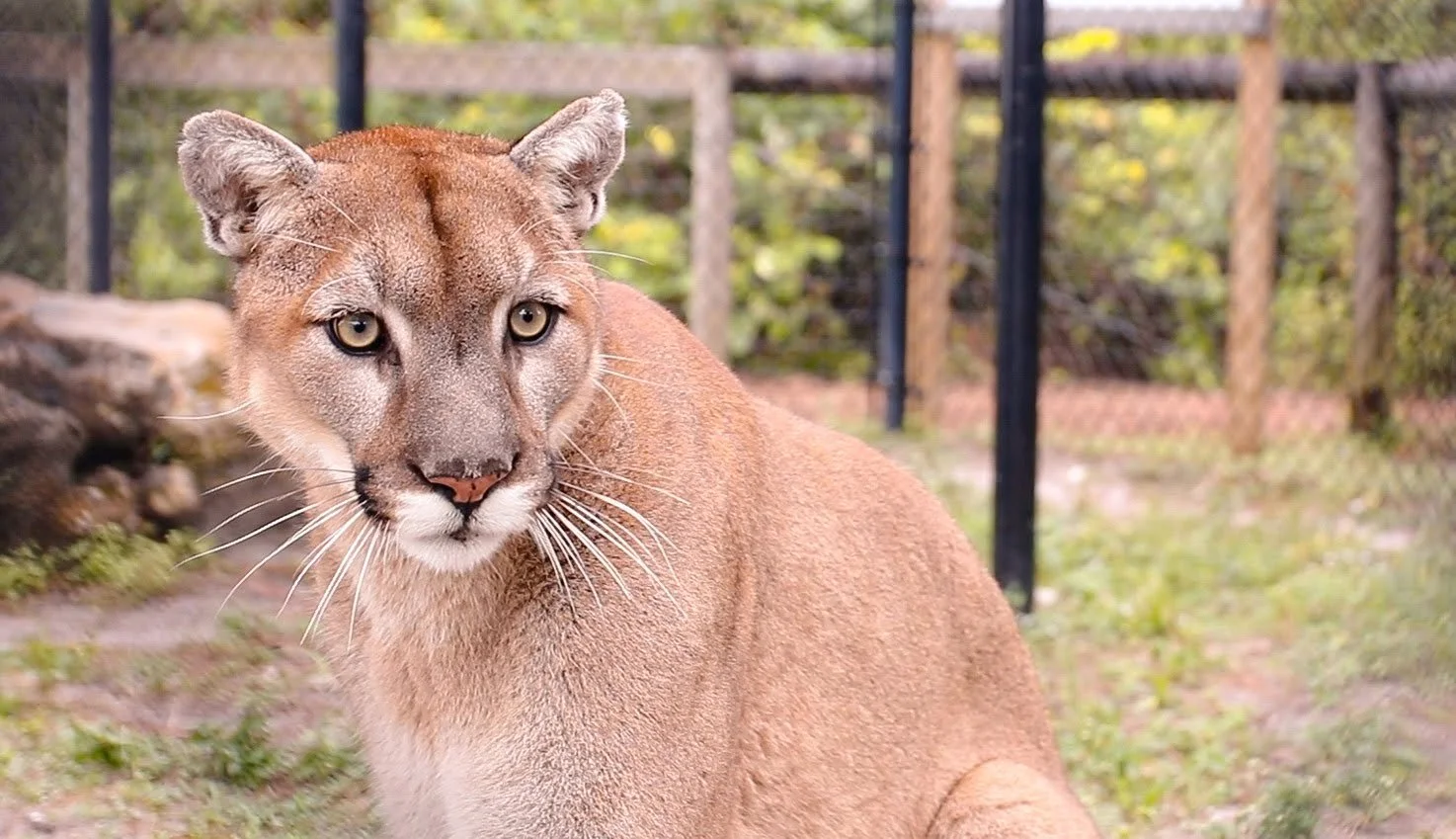
Tahmahlah came to Busch Wildlife Sanctuary after being orphaned in a California wildfire in September 2015 at just four months old. Burns to his paws caused permanent nerve damage, and facial injuries affected his eyesight, making him non-releasable. Though a California cougar, Tahmahlah helps represent the endangered Florida Panther and highlights the importance of big cat conservation.
Click to Adopt Tahmahlah

-
Kiona and her sister Tehya were orphaned after their mother repeatedly returned to neighborhoods searching for food and was deemed a nuisance bear. The cubs learned this behavior and could not be released. Today, they help teach guests the importance of never feeding wildlife.
-
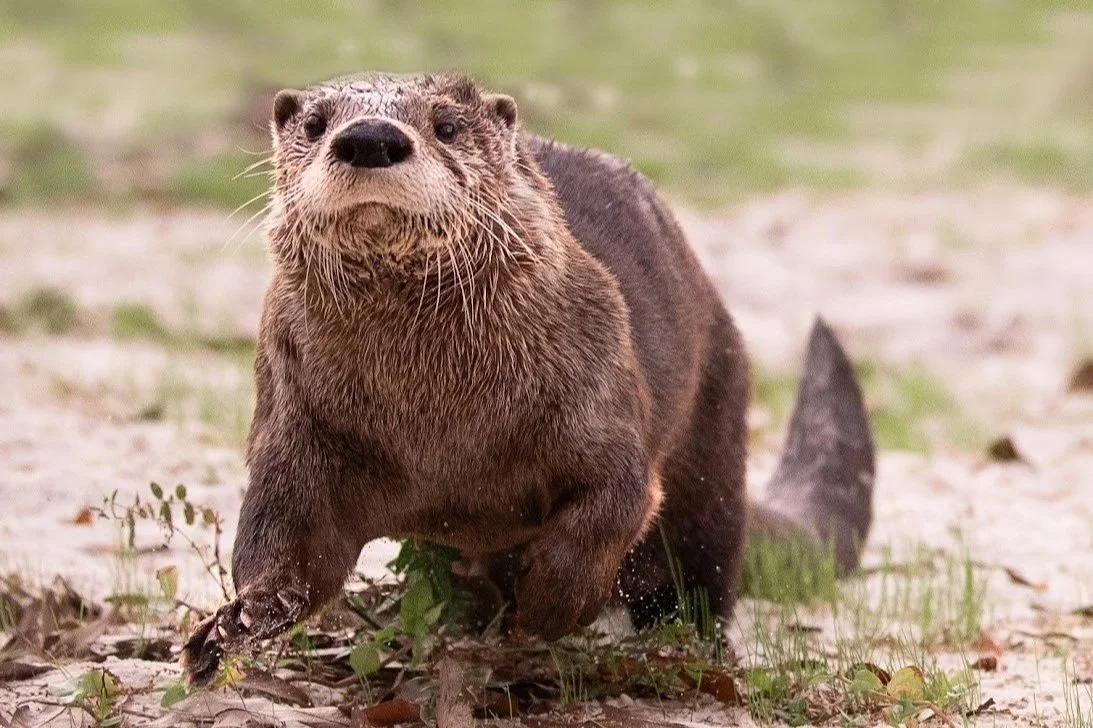
Charlie the River Otter
Charlie our North American River Otter was orphaned as a pup and later found to be blind in one eye. His vision impairment affects his grooming, giving his fur a spotted appearance. River otters are important indicator species, helping scientists monitor the health of aquatic ecosystems.
-
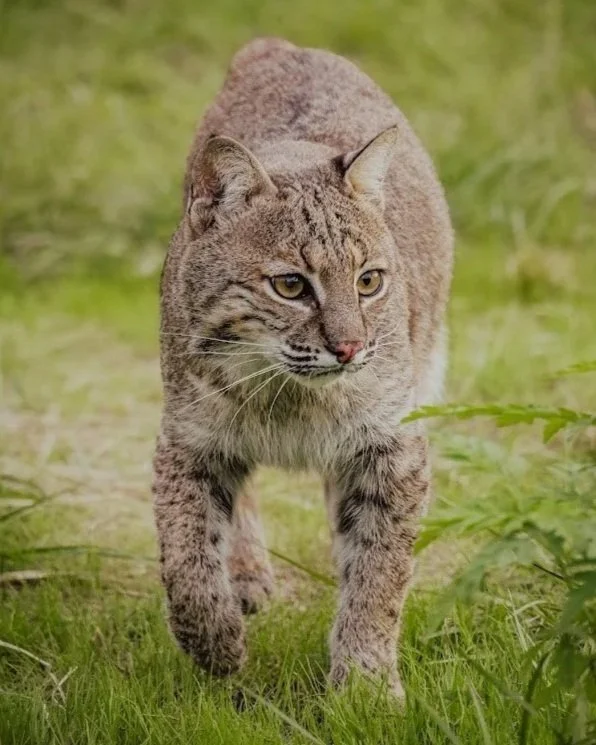
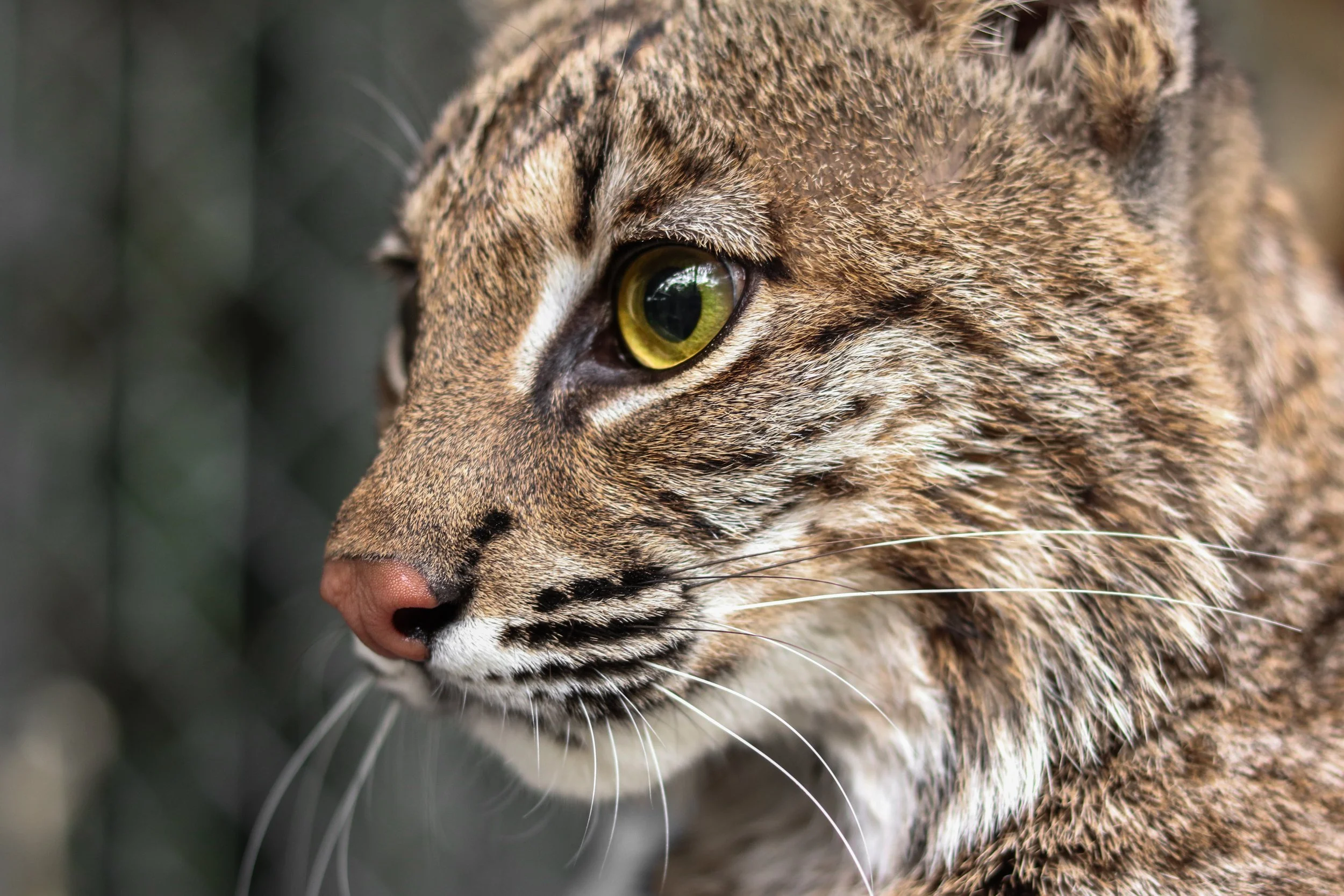
Lucy is the smallest bobcat at the Sanctuary. Orphaned as a kitten, she was later diagnosed with metabolic bone disease, which affects her growth. Despite her tiny size, Lucy is known for her big personality.
-
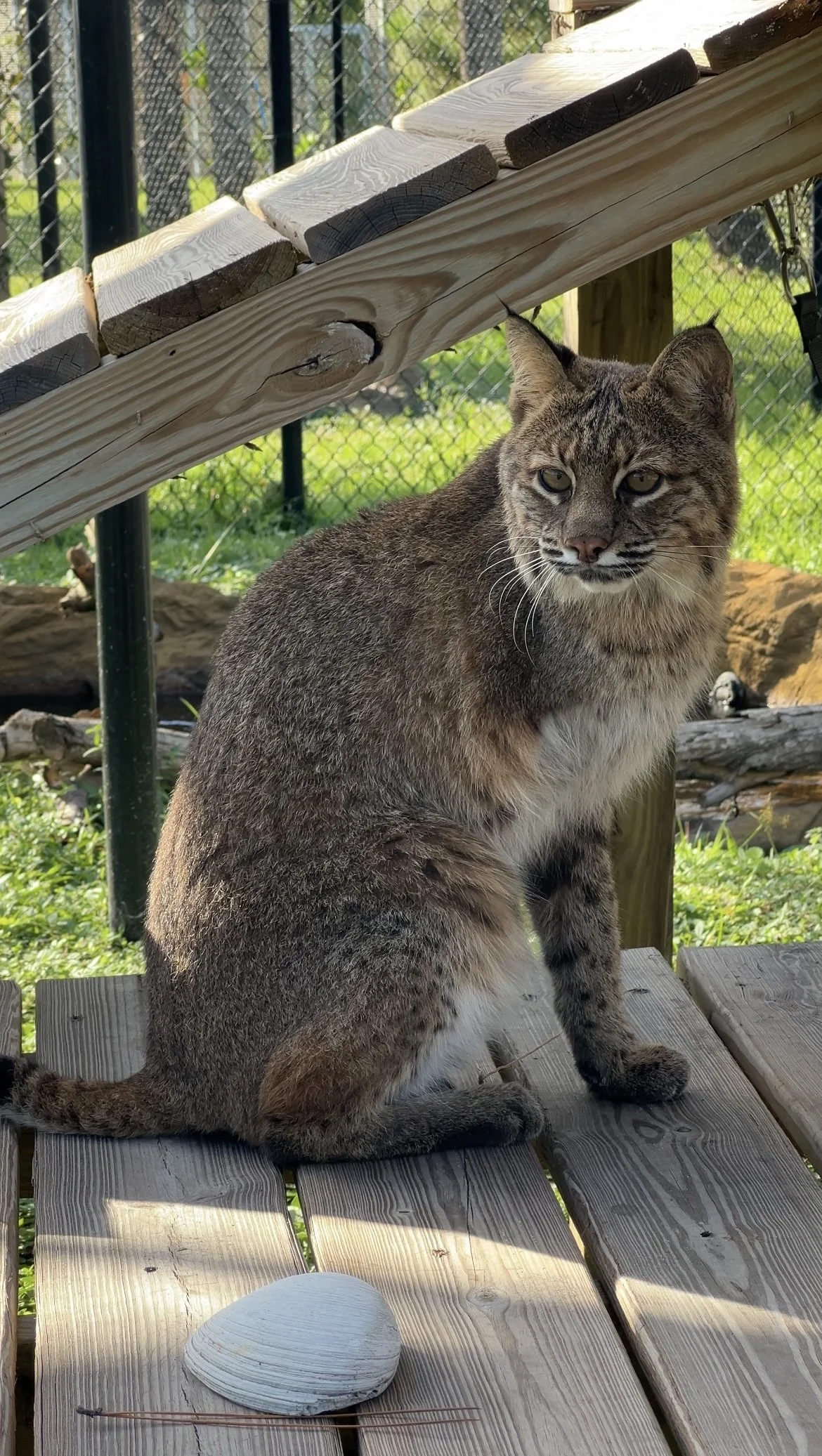
Clover arrived as an orphaned bobcat kitten and was later diagnosed with cerebellar hypoplasia, a condition that affects balance and coordination. Because of her developmental challenges, she could not return to the wild and now serves as an ambassador for her species.
-
Paisley and her siblings, known as the “Three Ps,” arrived as orphaned kittens before their eyes had even opened. Raised without their mother, they became too reliant on humans to survive in the wild. Paisley also has only three legs, making life in the wild even more difficult.
-
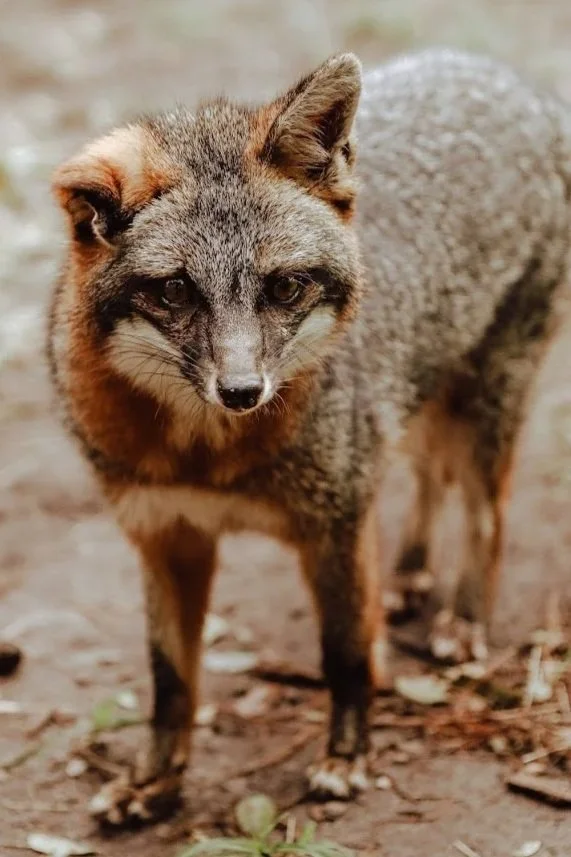
Grayson, our Gray Fox ambassador, was originally kept as a pet before being surrendered to the Sanctuary. Too dependent on humans for release, she now helps educate guests about why foxes belong in the wild—not in homes. In April 2025, Grayson successfully underwent surgery to remove a mass later identified as thyroid carcinoma. She has been undergoing low-dose chemotherapy since.
-
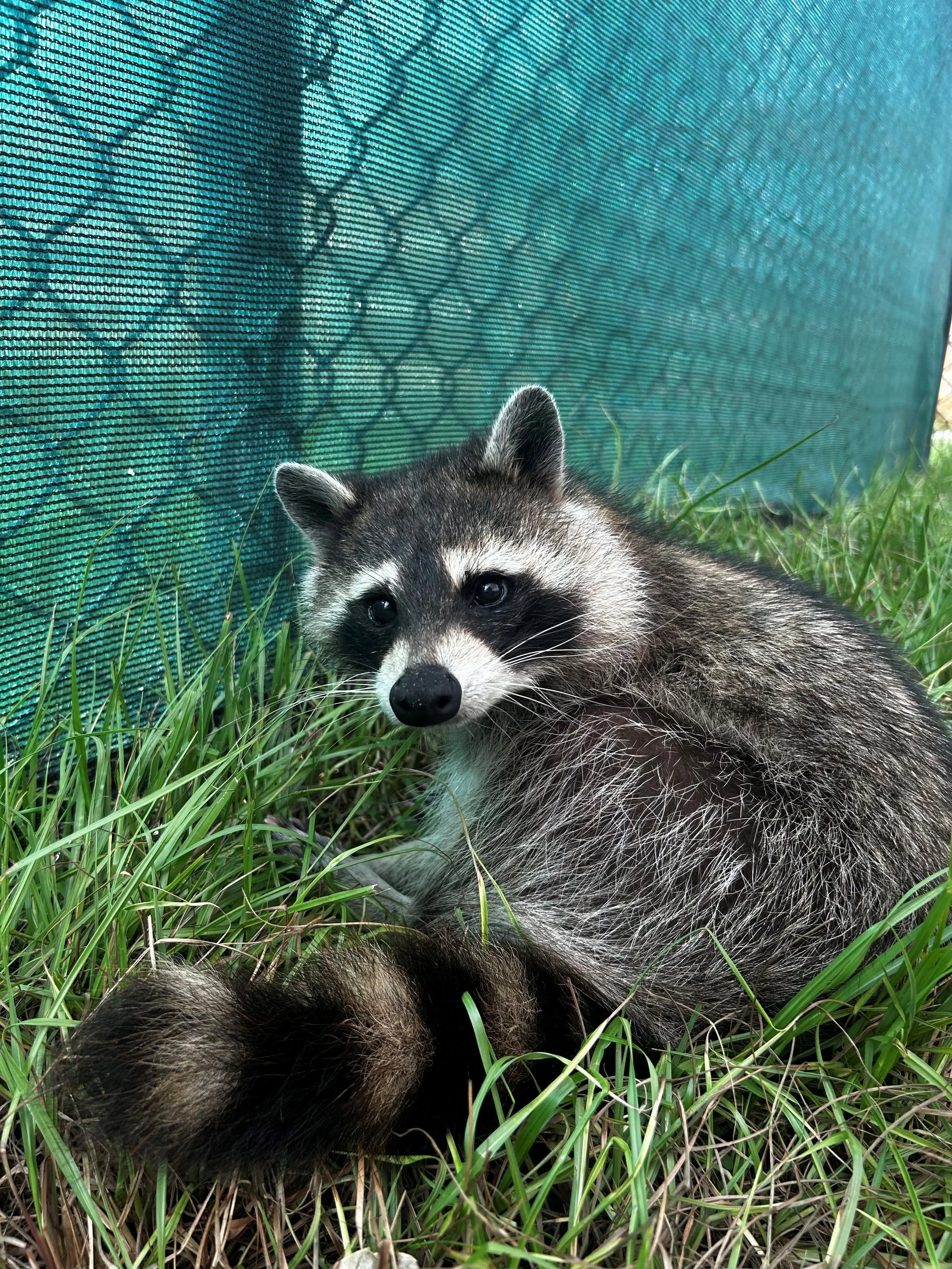
Timmy the raccoon was orphaned as a baby and later diagnosed with cortical blindness, meaning her brain cannot properly process vision. She now helps teach visitors why raccoons are wild animals and not suitable pets.
-
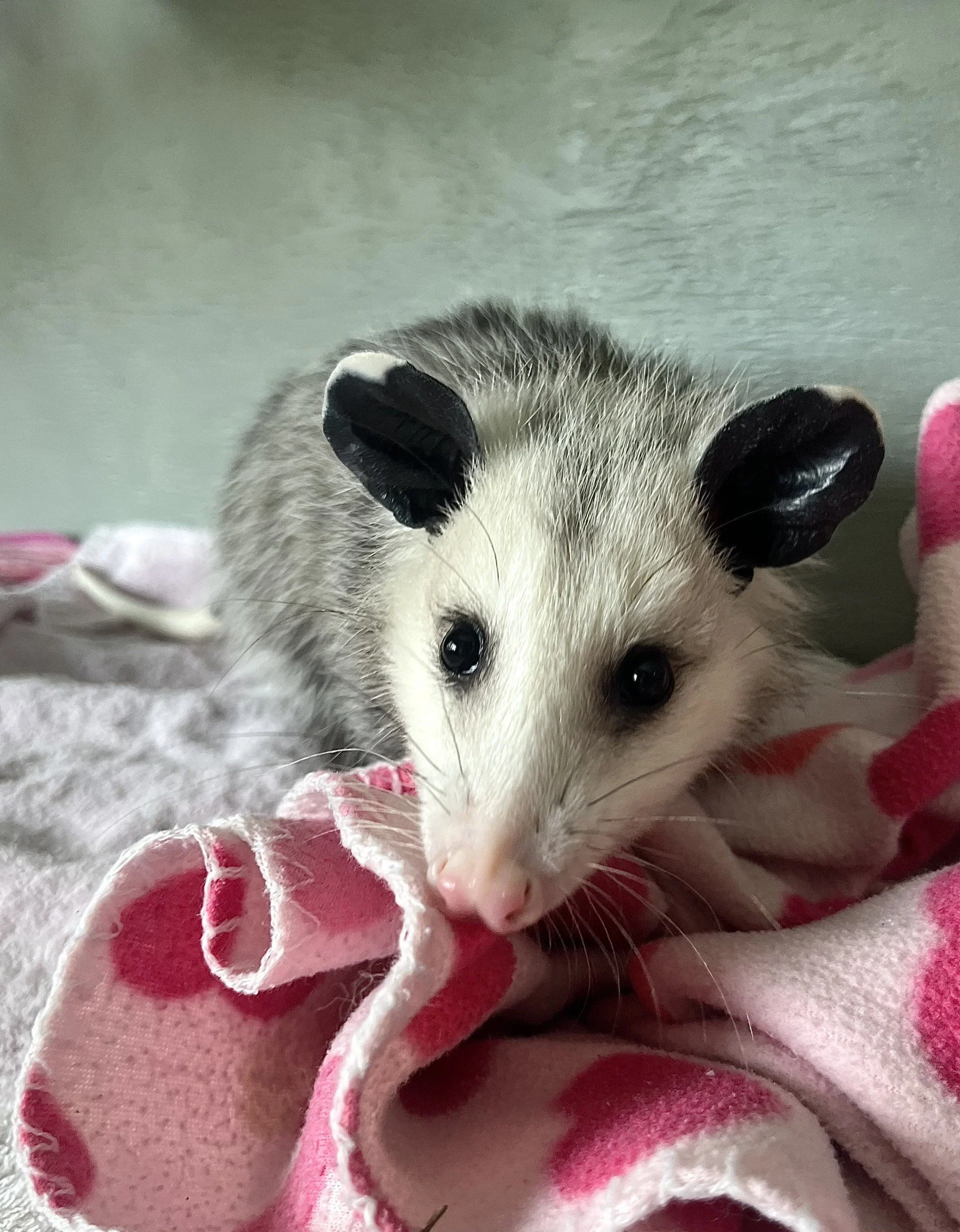
Ophelia the Virginia Opossum was rescued from a hoarding situation where she had been kept as an illegal pet. Too habituated to humans for release, she now helps guests learn about the important role opossums play in controlling pests and cleaning up the environment.
-
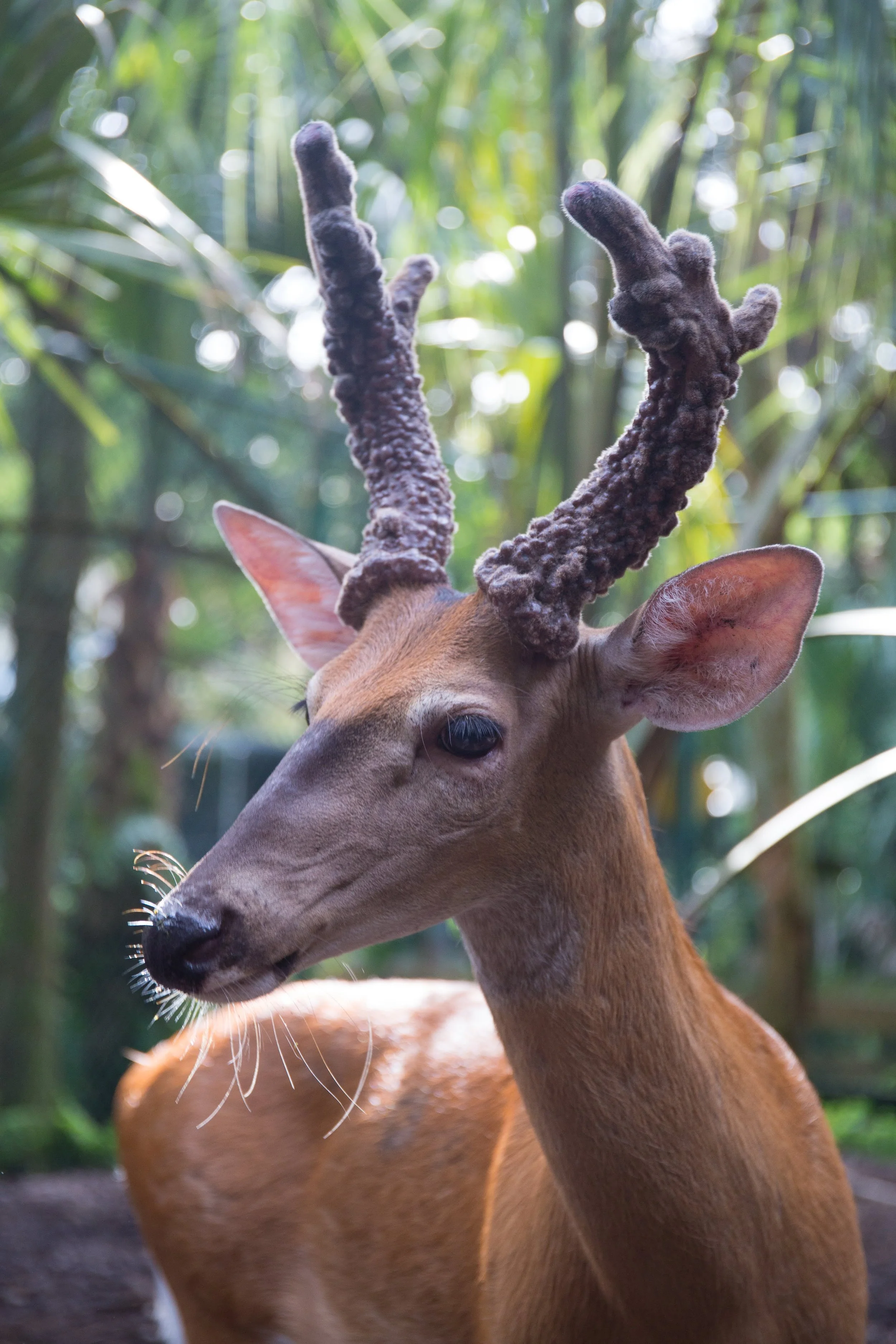
Cypress the White-tailed Deer was mistakenly taken from the wild as a fawn after people assumed he had been abandoned. He also has a condition called Cactus Buck, which causes abnormal antler growth. Cypress helps educate visitors about why baby wildlife should be left alone unless truly injured or orphaned.
-
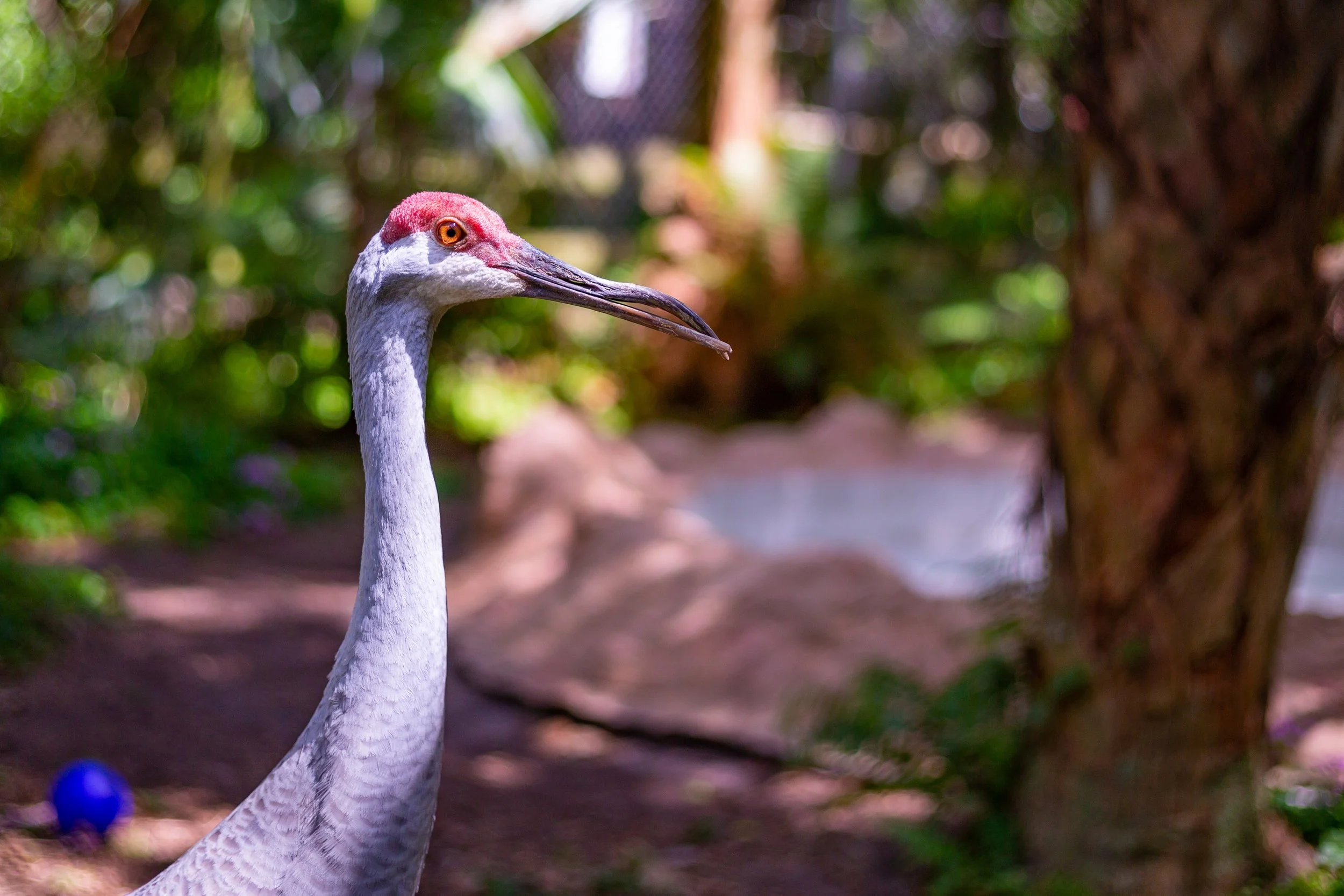
Frasier the Sandhill Crane was orphaned after her parents were struck by a car. After becoming too habituated to humans and suffering a broken beak, she could no longer survive in the wild. Today, Frasier helps teach guests about Florida’s threatened Sandhill Cranes and the dangers wildlife face in urban areas.
-
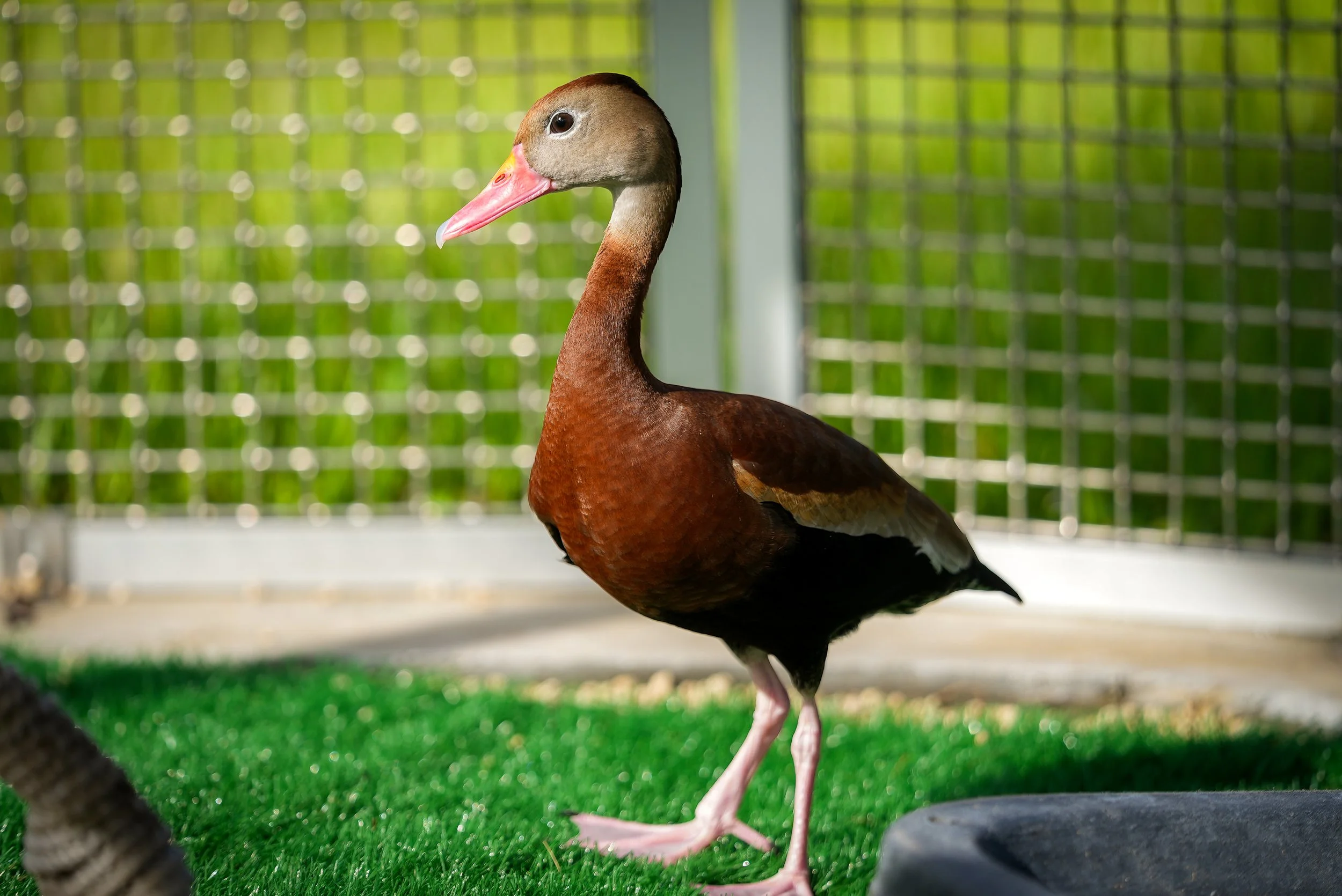
Stu the Black-bellied Whistling Duck was raised by a local resident before being brought to Busch Wildlife Sanctuary. Although staff attempted to release him, Stu repeatedly returned to people and became a permanent ambassador. His loud whistling calls make him easy to recognize around the Sanctuary.
-
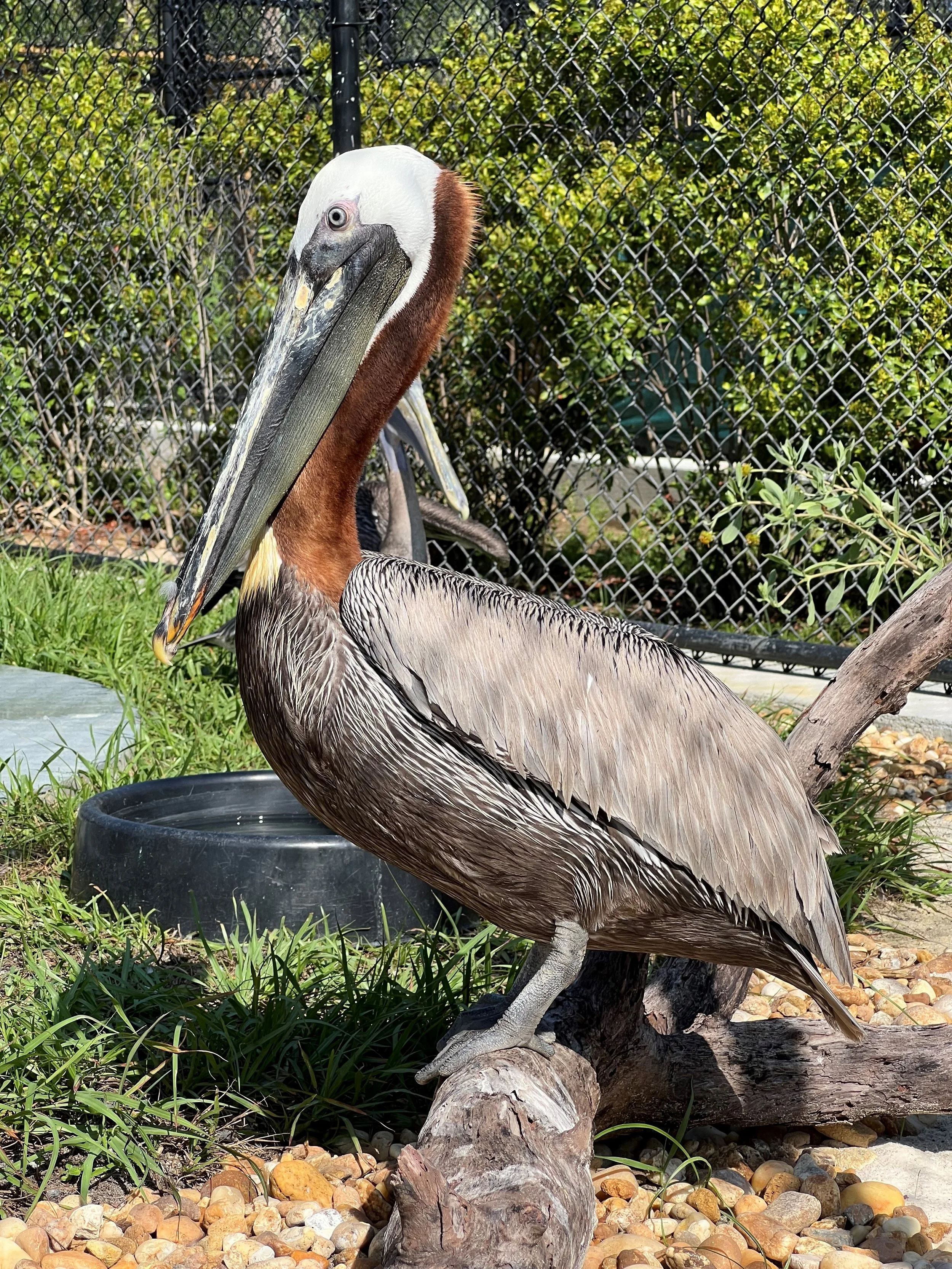
Arvy the Brown Pelican was rescued after being blown off-course into the icy Connecticut River during migration. Frostbite caused severe damage to her feet, leaving her unable to survive in the wild. Arvy’s story highlights both the challenges wildlife face and the success of rehabilitation efforts.
-
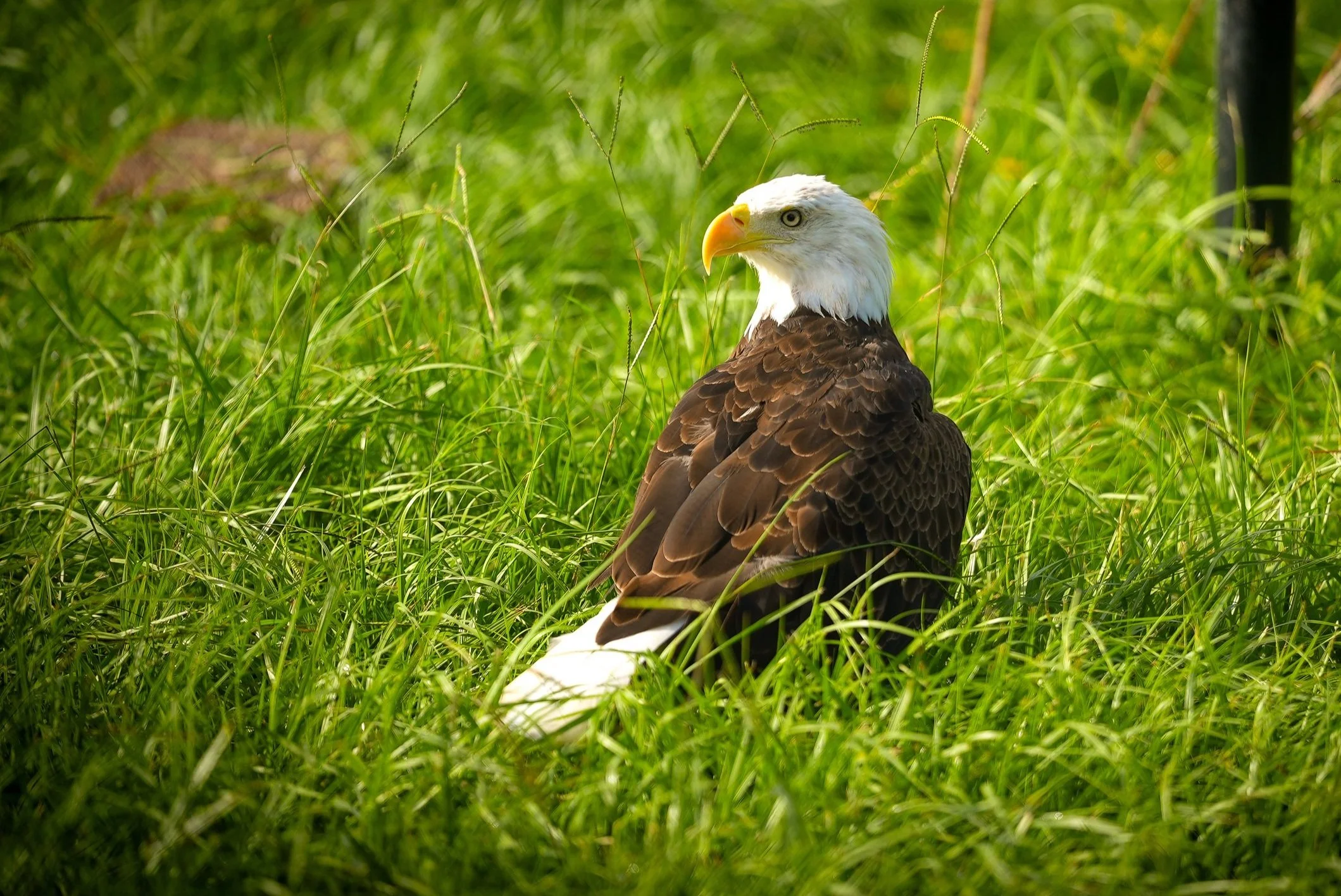
Orange the Bald Eagle arrived with a permanent wing injury that left him unable to fly well enough for release. Like many eagles, his injuries were likely caused by human-related impacts such as vehicles or powerlines. Orange now serves as an ambassador for North America’s national bird.
-
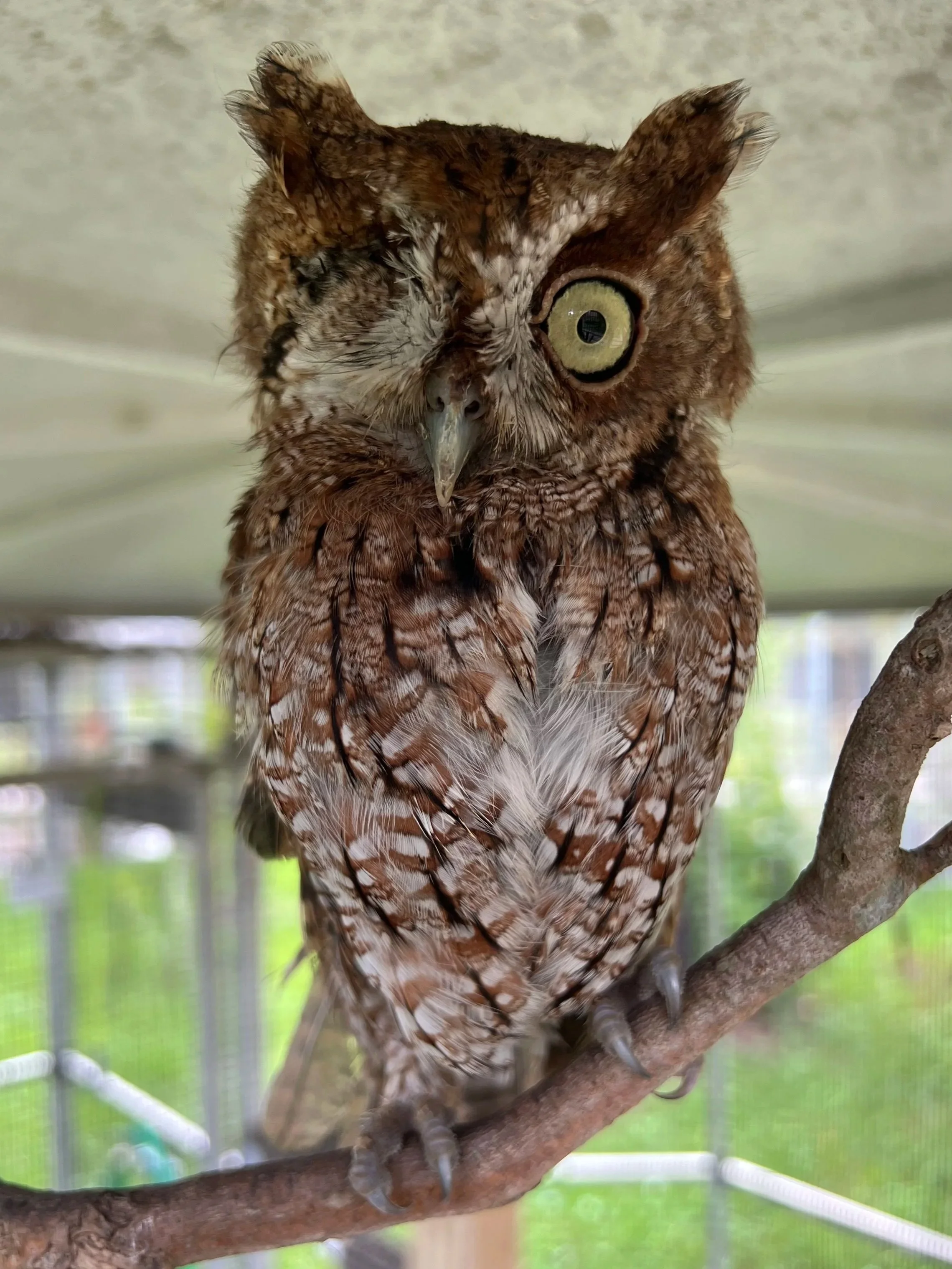
Pumpkin Spice, an Eastern Screech Owl, arrived with permanent wing and vision injuries that made release impossible. Later, she developed a severe cataract that caused significant swelling and began affecting her quality of life. The decision was made to enucleate, or remove, the eye. She now helps guests learn about Florida’s smallest native owl and the unique adaptations that help owls survive in the wild.

-
Freddy the American Alligator has been at the Sanctuary longer than any other ambassador animal. After being prematurely hatched from an egg in 1983, Freddy developed lifelong cognitive and physical challenges that prevent her from surviving in the wild. She now helps educate guests about Florida alligators and the importance of never feeding wildlife.

-
Cocoplum the Eastern Indigo Snake was born in captivity with a herniated umbilical cord that required surgery. Because she was raised in human care, she is comfortable around people and helps educate guests about this federally threatened species and the important role snakes play in healthy ecosystems.
-
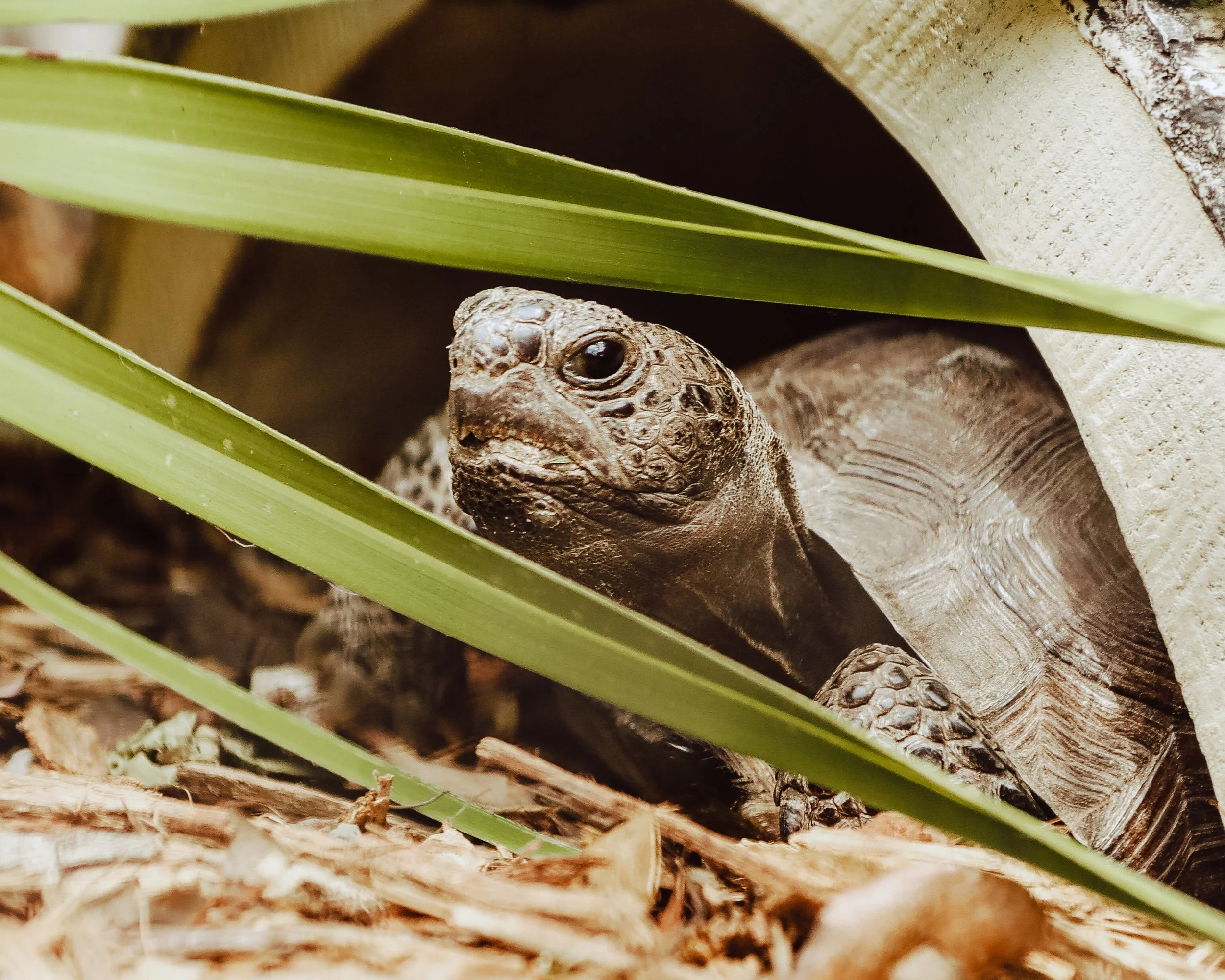
Big Lots the Gopher Tortoise has lived at the Sanctuary for many years. Gopher tortoises are a keystone species because their burrows provide shelter for hundreds of other animals. Big Lots helps teach visitors about the importance of protecting Florida’s upland habitats.
